
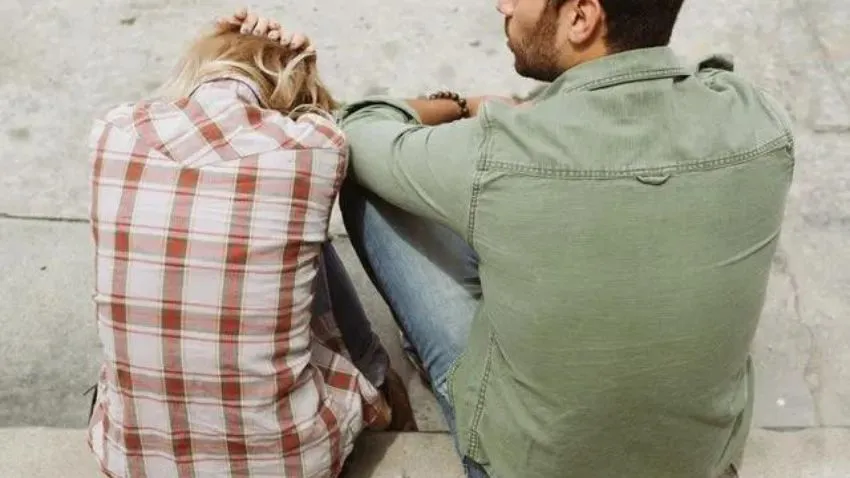
I recently attended an all day African grief ceremony. This was part of the MA BlessFest celebration in the Berkshires, a festival that I highly recommend!
I had attended an African grief ceremony once before, but this one was much more comprehensive, and I learned a lot.
The Healing Power of Community
Basically, the process is creating a temporary village with those that are attending, and having a separate space set up for grieving when someone feels moved to go there and express whatever is coming up for them. Grief is not just about having lost loved ones that died. People experience grief about many things, beginning with the loss of being in the floaty, warm womb upon being birthed. That is why babies wail.
The idea of this type of grieving is that “complete” grief happens in community. When someone would go to the grieving area, another village member would follow them and literally “have their back” by energetically providing support at their back during the grief process. Then, the person who had grieved would stand up, turn around and be told they have been witnessed, offered a hug, and thanked for having grieved. Their grieving benefits the whole village. They would then be led by the space holder back to the village where a group of villagers had naturally formed to welcome them back, witness them, and thank them again.
THIS process results in the kind of complete grief that is most healing for humans.
Grieving in private results in “incomplete grief”
In our American culture, there is nothing like this grief ceremony that exists. So many of us are walking around with incomplete grief.
There is more to the grief ceremony than this, but for my purposes today that is all I will say.
Here’s what feels important to get: incomplete grief shows up as things like road rage, anxiety, insomnia, and irritability. People don’t even know that many of their unpleasant emotional experiences are a result of incomplete grief.
There’s a story about an elderly woman seen walking on the beach every day. Those that witnessed her noticed that she always seemed so joyful. One day they finally asked: “Why do you always seem so happy?” Her answer was: “I grieve.”
Grieving is not a “one and done” experience. Grieving in community must be done on an ongoing, regular basis.
If you’re interested in learning more, the woman who led our grief ceremony is named Maria Owl. She lives in CA. Google her if you want to learn more. She is amazing, and there are others like her. African grief ceremonies take place all over the world.
How Grief Can Affect Your Relationship
And, this all made me wonder: how often are relationship conflicts just another sign of incomplete grief?
I certainly felt much more joyful after the grief ceremony. I also felt more grounded and present. It was as if I could be more in the moment because I wasn’t using any energy to ward off unprocessed grief.
And for sure, if I am able to be more present in general, I am able to be more whole and present in my relationship.
What is your own relationship with grief, and how can you make grieving in community a more normal part of your world? It will benefit you and every single one of us.
Published by: 09-10-2026